


British summers are not, by any stretch, tropical. Yet somehow, every single June, the exact same thing happens. The windows go wide open, the ceiling fan starts making that irritating rhythmic noise, and the heavy duvet you have happily slept under since October suddenly transforms into an instrument of mild torture.
However, stripping down to sleep without any covers at all is never the answer. Most of us need that comforting layer to fall asleep. The real secret to a cool bed summer experience lies in building your sleeping environment correctly for the warmer months with high quality, cooling bedding.
Choosing the right combination of tog rating, sheet material, and pillow covers makes a measurable difference to your sleep quality, even when the British thermometer starts nudging past 25°C 😉
This guide covers every single layer of your bed, from the summer duvet to the mattress protector, with honest recommendations for all kinds of sleepers.
Start With the Duvet: Why Tog Ratings Matter
The biggest lever you have on how warm your bed feels is the tog rating. If you are still sleeping under your winter bedding in June, that is the root of your problem.
A heavy 13.5 tog duvet is specifically engineered to retain heat in rooms below 15°C. Sleeping under it at 22°C is the thermal equivalent of wearing your winter coat indoors.
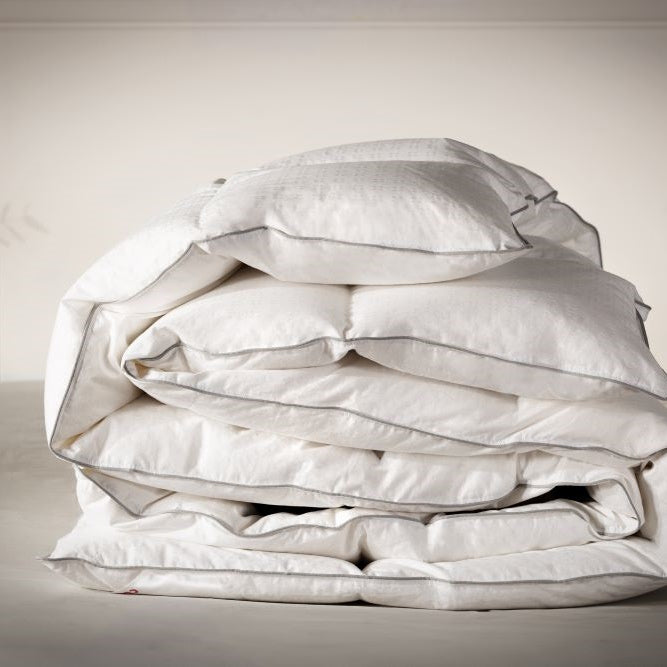
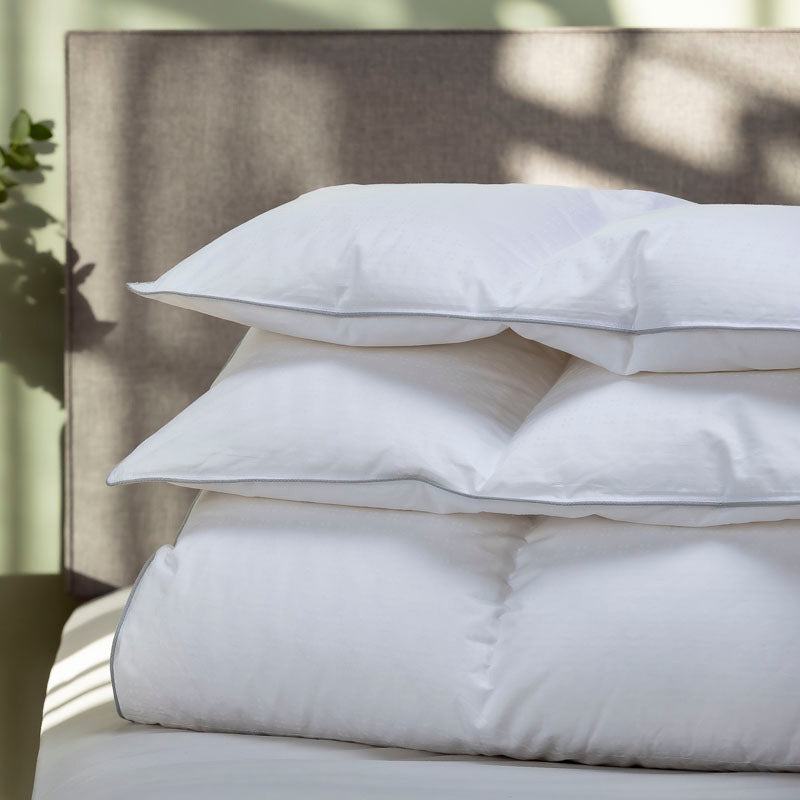
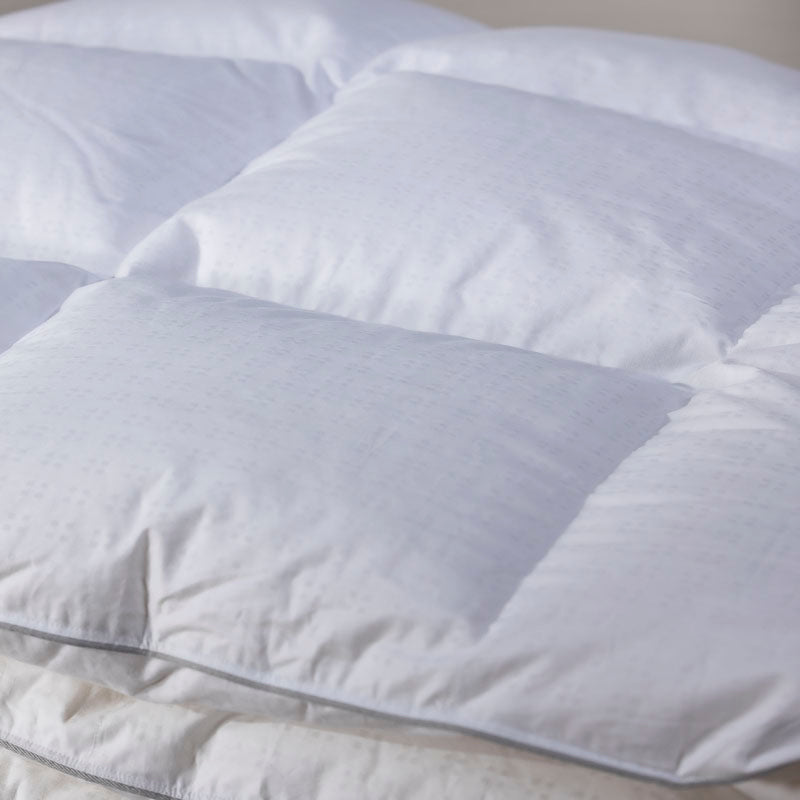
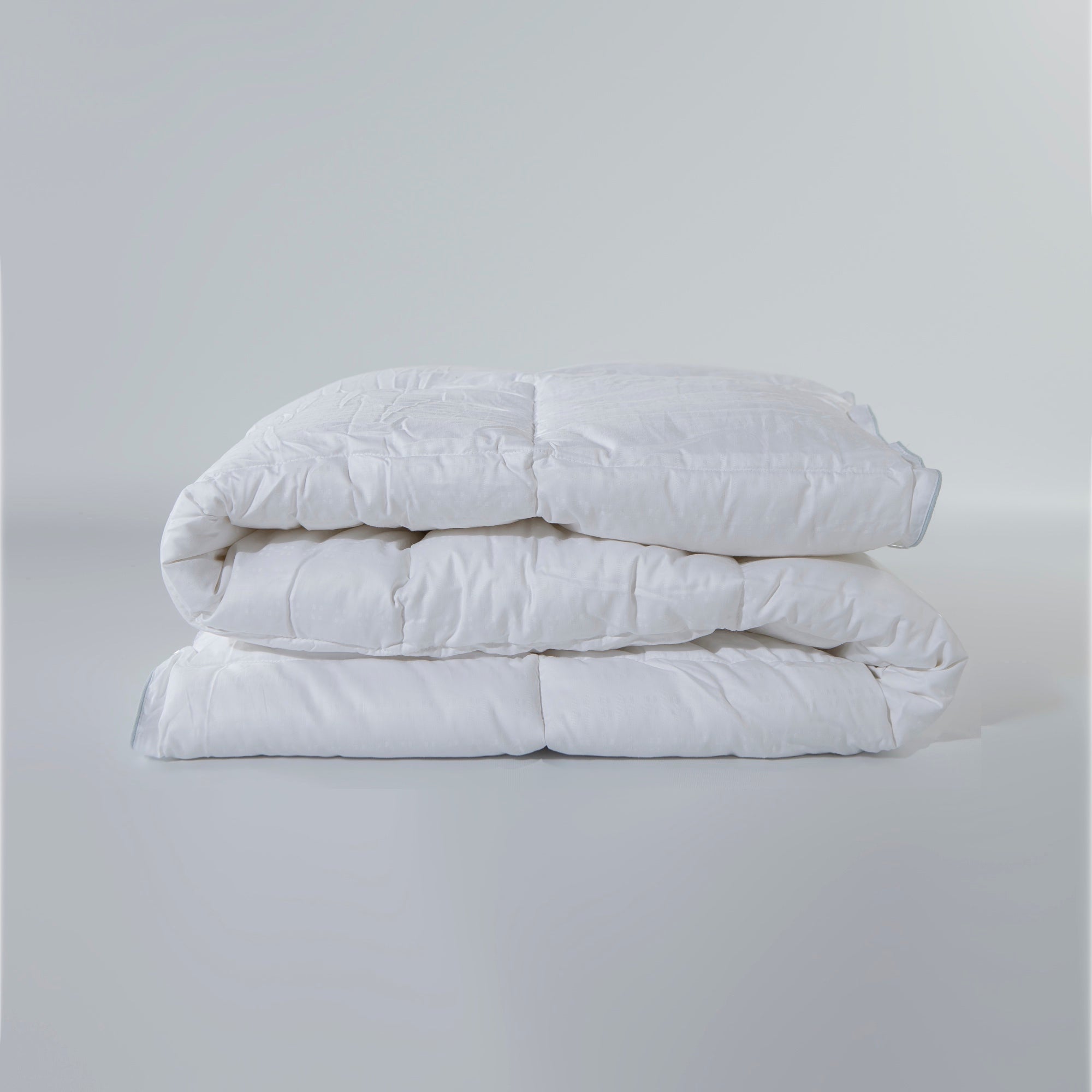
When shopping for the best summer bedding, a 4.5 tog rating is the perfect place to start. This lightweight thickness is exactly what the majority of sleep specialists settle on for a standard UK summer bedroom.
For a complete seasonal breakdown, you can read our comprehensive duvet tog guide which covers every scenario. The short version looks like this:

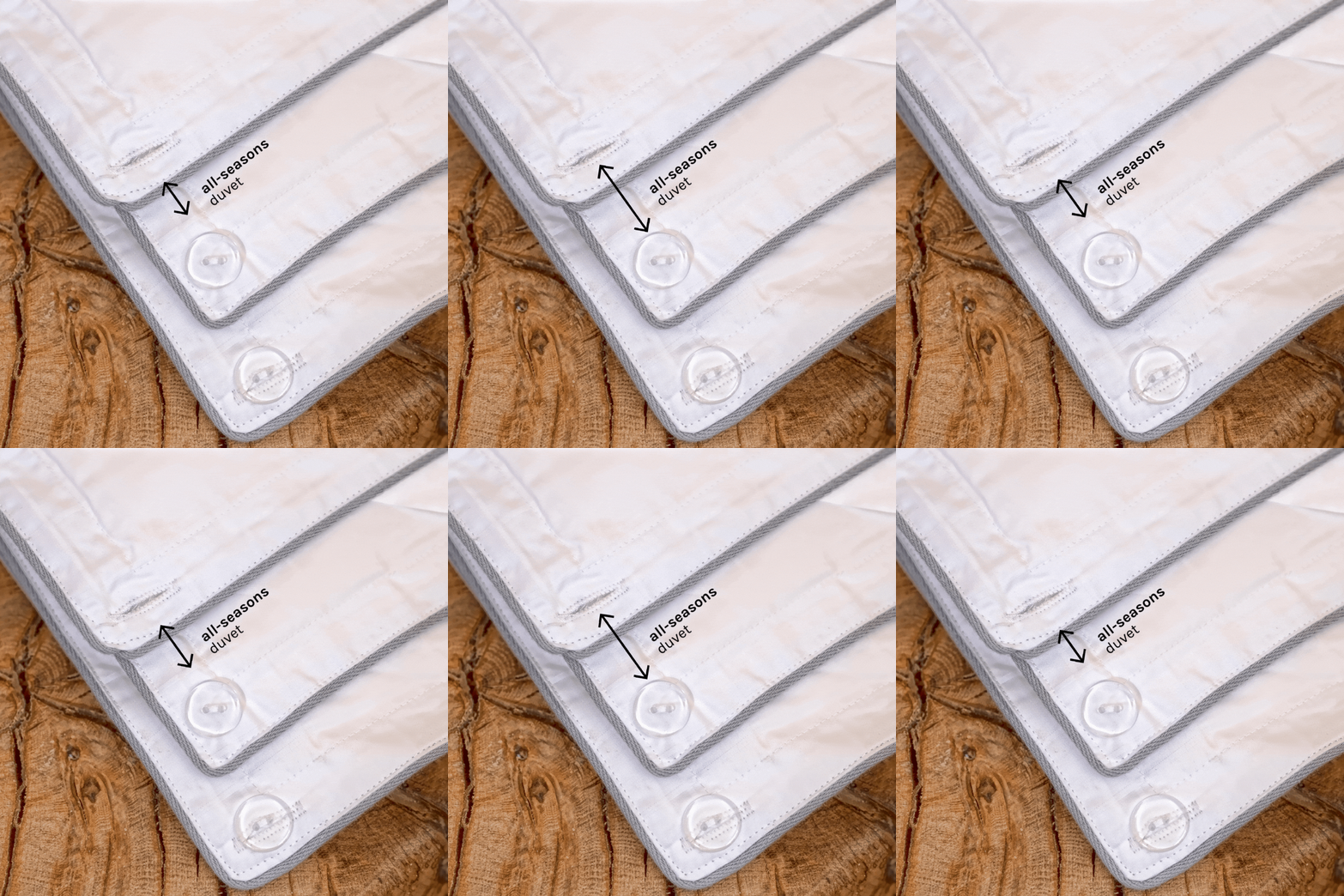
If switching your duvets twice a year sounds like a chore, an all seasons duvet handles the job beautifully. These systems consist of two separate duvets that clip together. You simply use the lightweight 4.5 tog component from May through to September, then clip them together from October onwards. It is one clever purchase with absolutely no storage dilemmas required.
The Sheets: This is Where Most People Go Wrong
Once you have your duvet sorted, investing in the right summer sheets UK options is the next crucial variable. The fabric sitting directly against your skin for eight hours a night has a profound effect on your body temperature, and it is important to remember that not all cotton behaves the same way.
Here are the essential materials you need to know about when sourcing the best summer bedding UK has to offer:
1. Percale Cotton
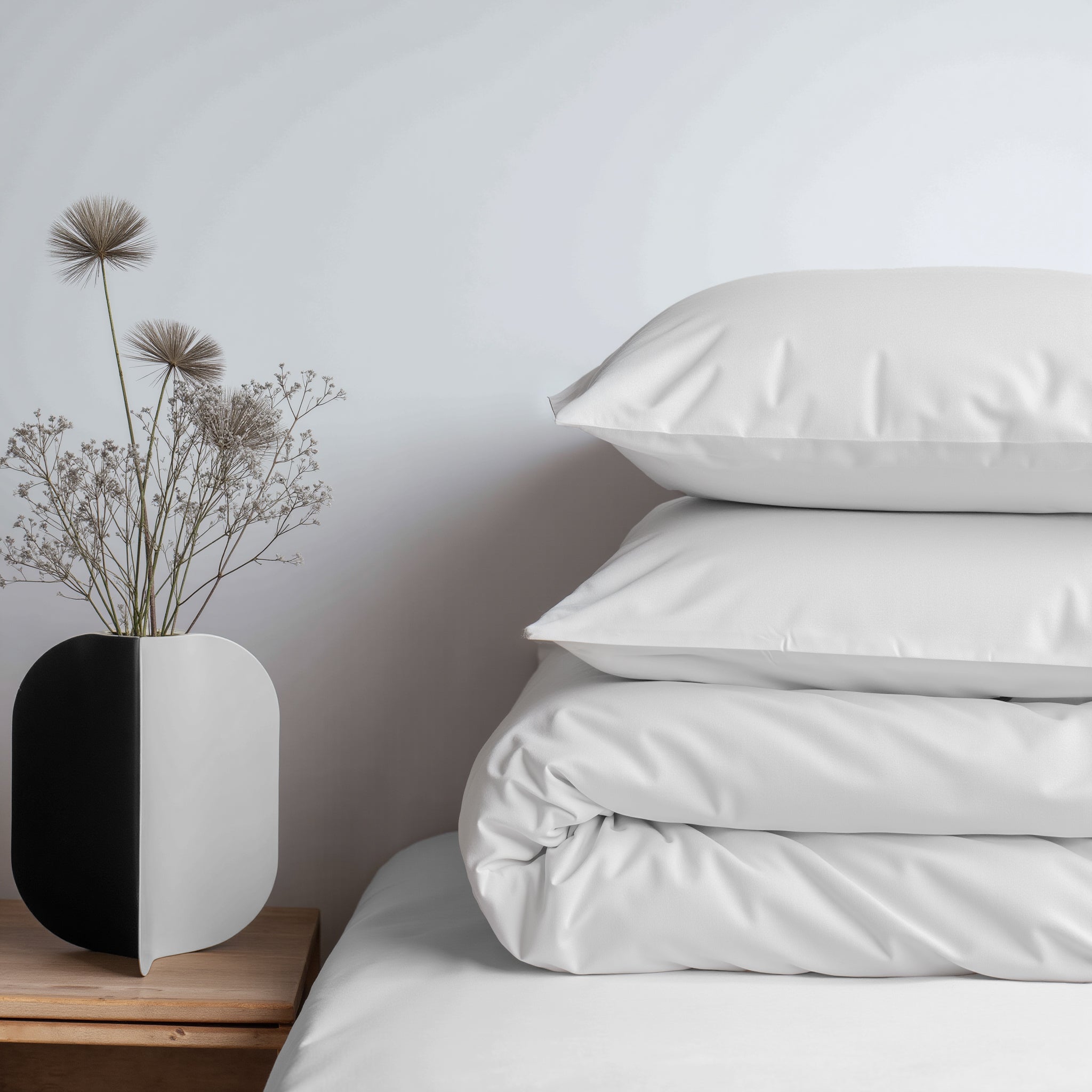
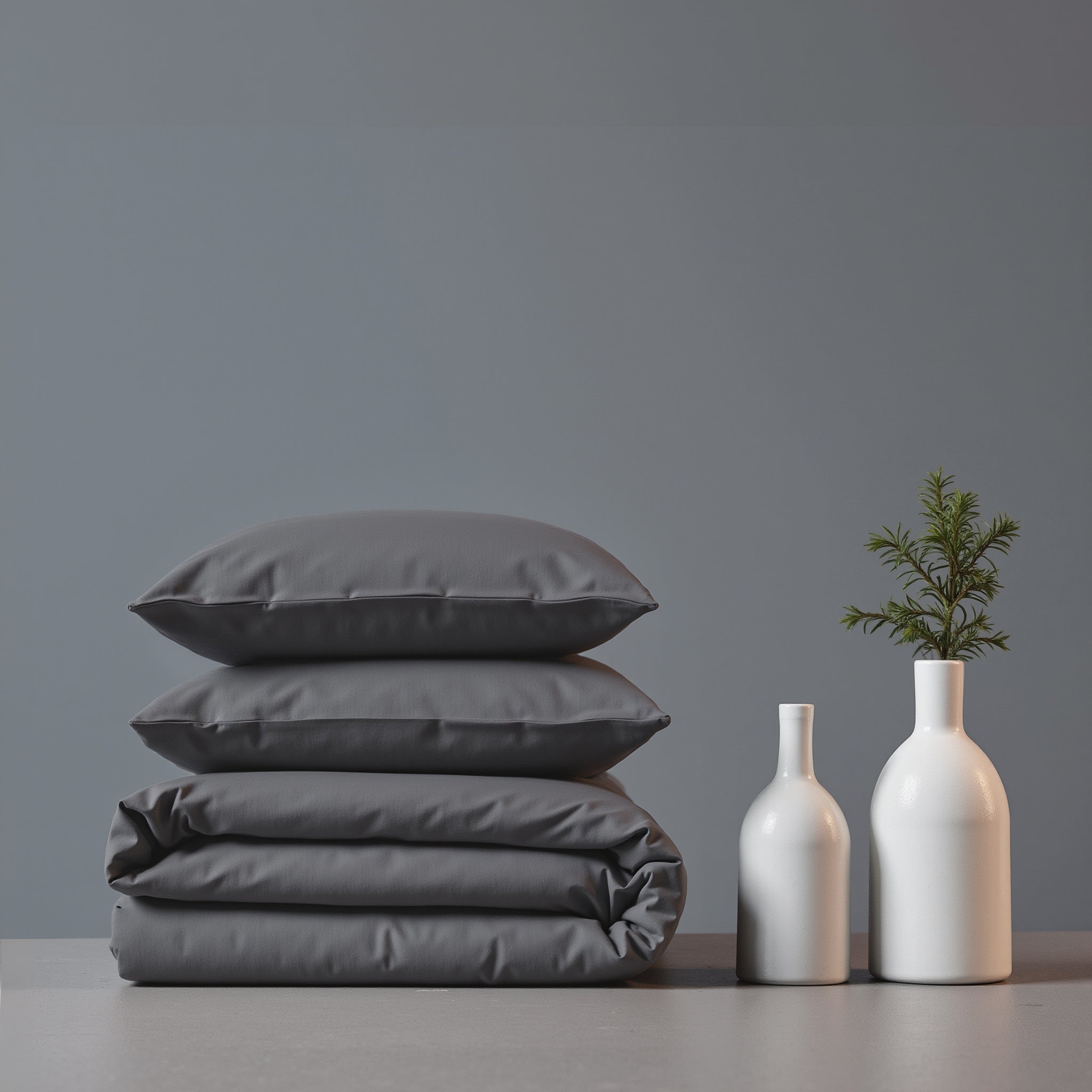
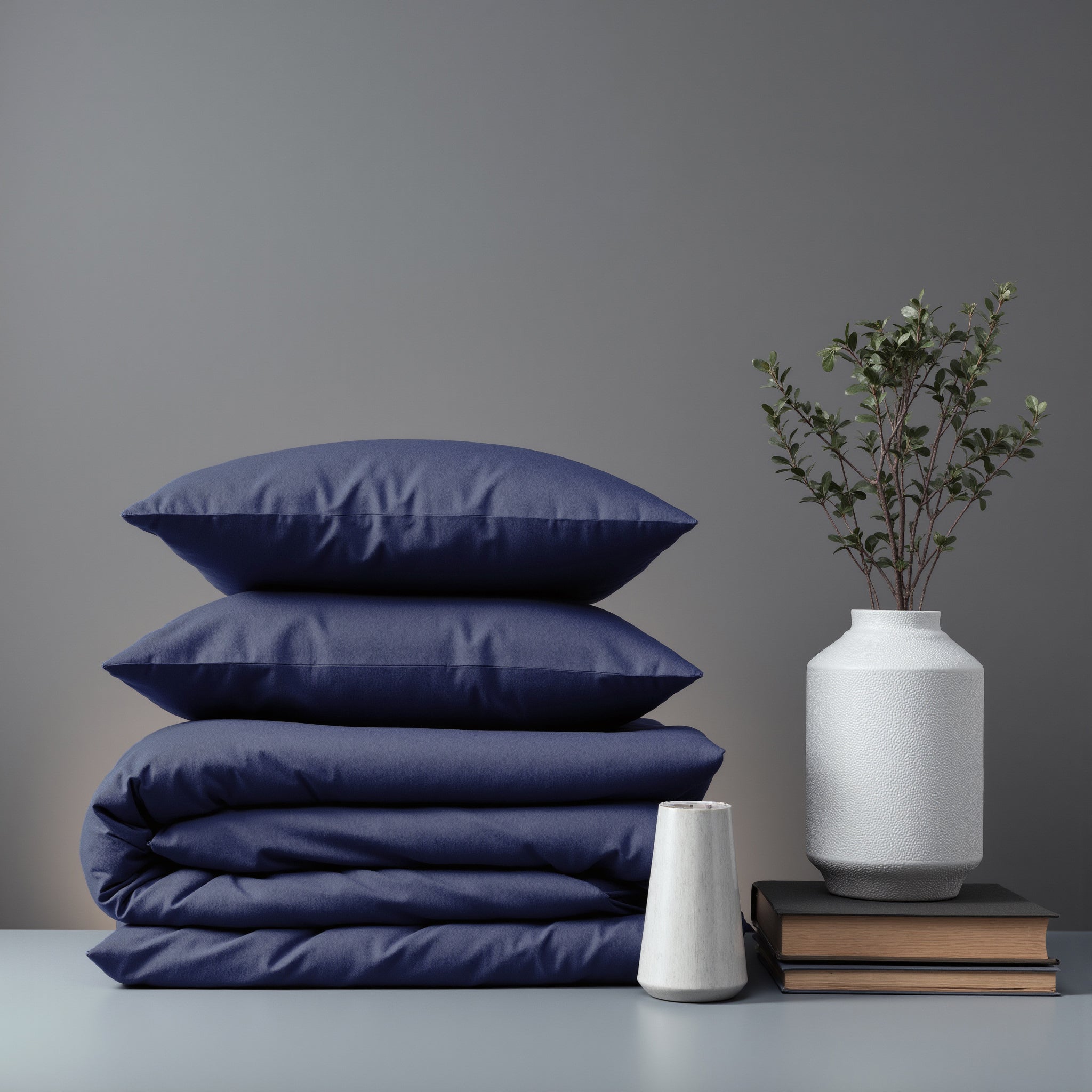
Percale is woven with a one-over-one-under pattern that produces a crisp, matte sheet with excellent airflow. It is what most hotels use, not by accident. The feel is distinctly not silky, which is precisely the point: in summer, smooth and cool beats silky and warm.
Our percale sheets are 100% cotton percale, available as individual sheets, as part of our percale bedding sets, and with matching percale duvet covers.

2. Linen
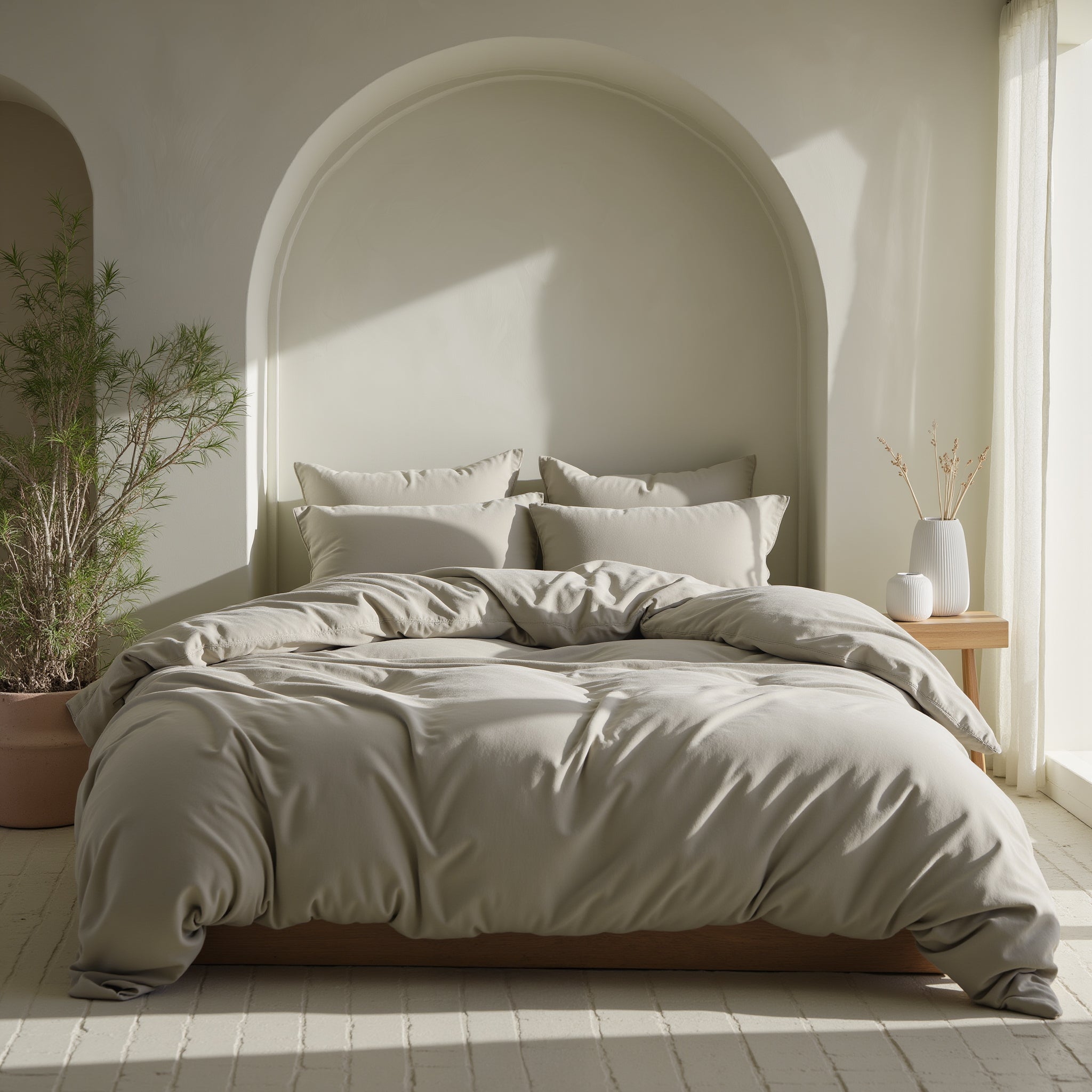
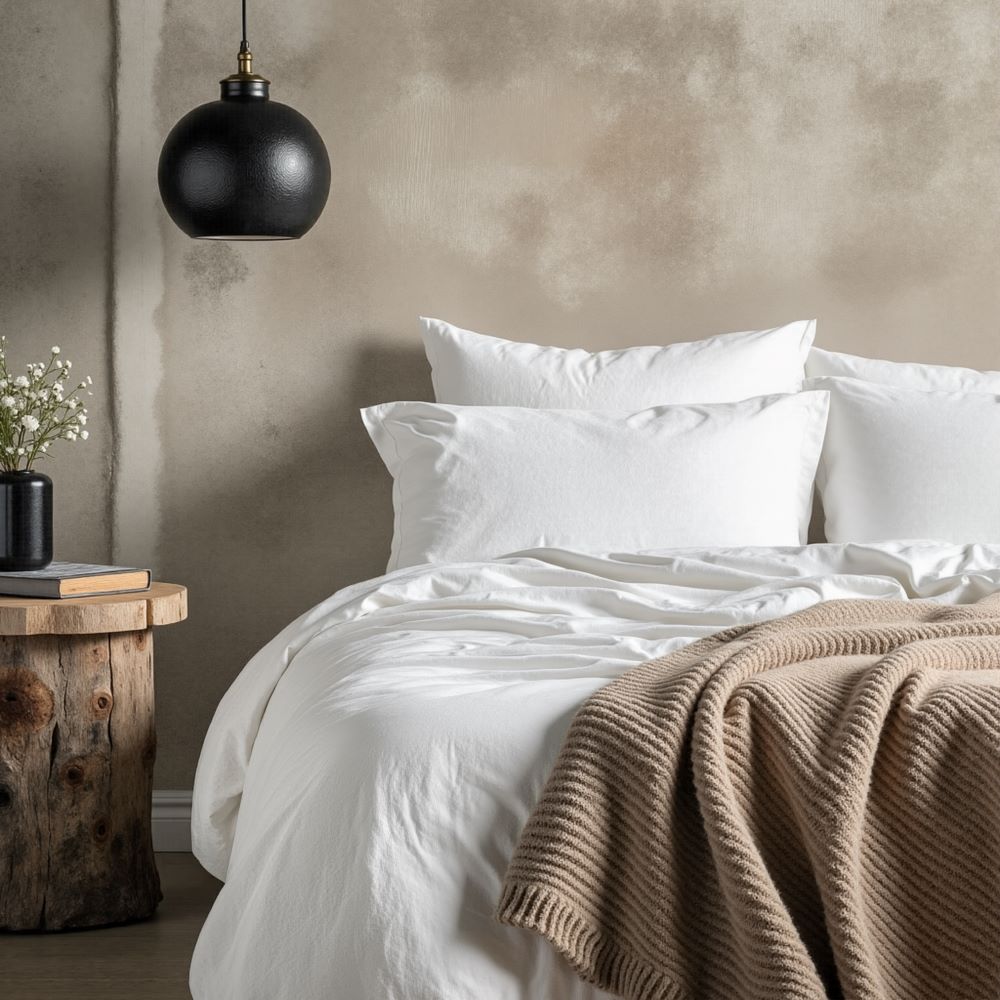
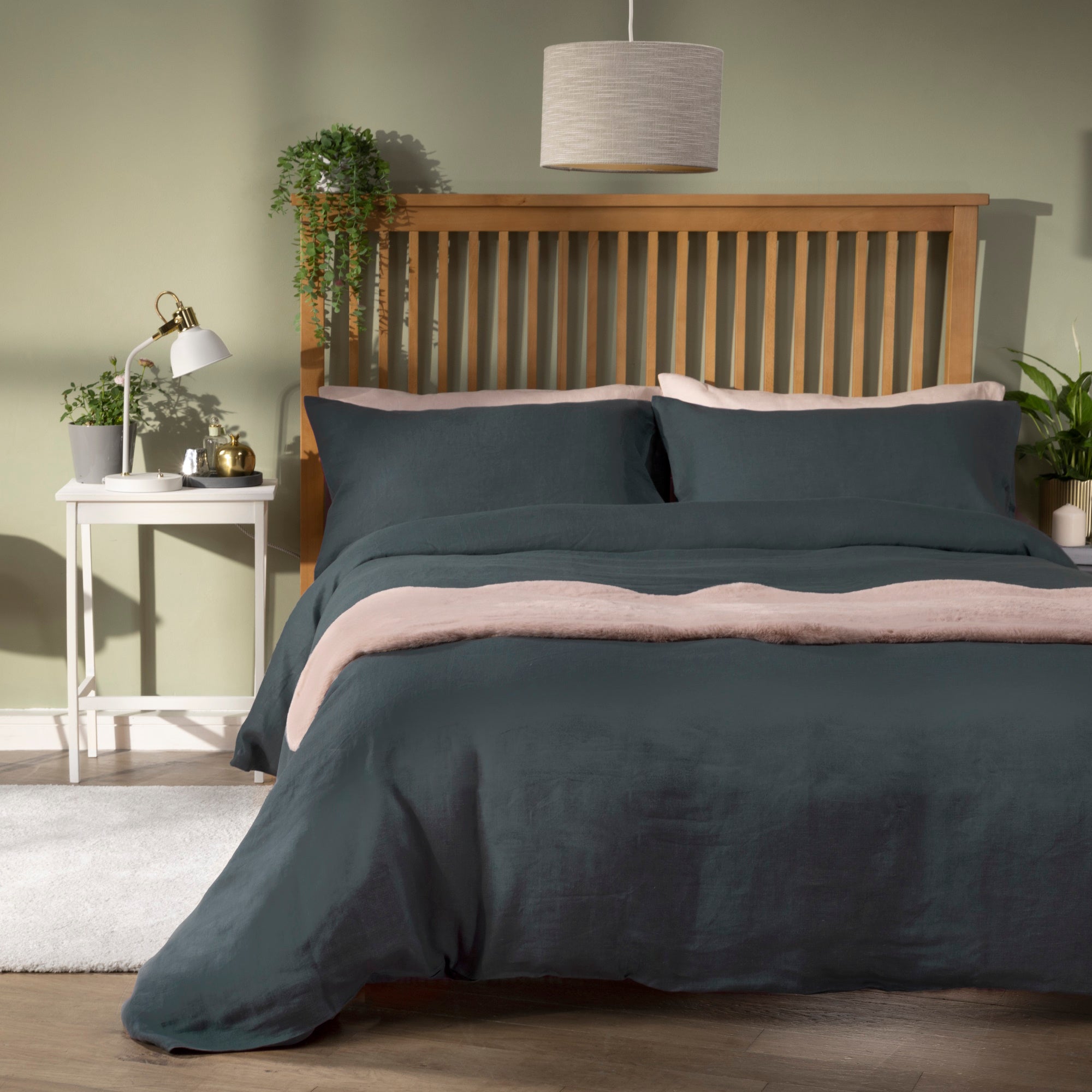
Linen is the most breathable natural bedding material there is. Its fibres are hollow, which means they actively wick moisture from the body and allow air to circulate in a way cotton cannot match. It is also naturally antibacterial, and it improves with every wash. The slight crispness that some new linen has disappears within a few washes and leaves something worth keeping for a long time.
Our linen sheets are made from European flax linen. We also do linen bedding sets, linen duvet covers, and linen pillowcases separately.

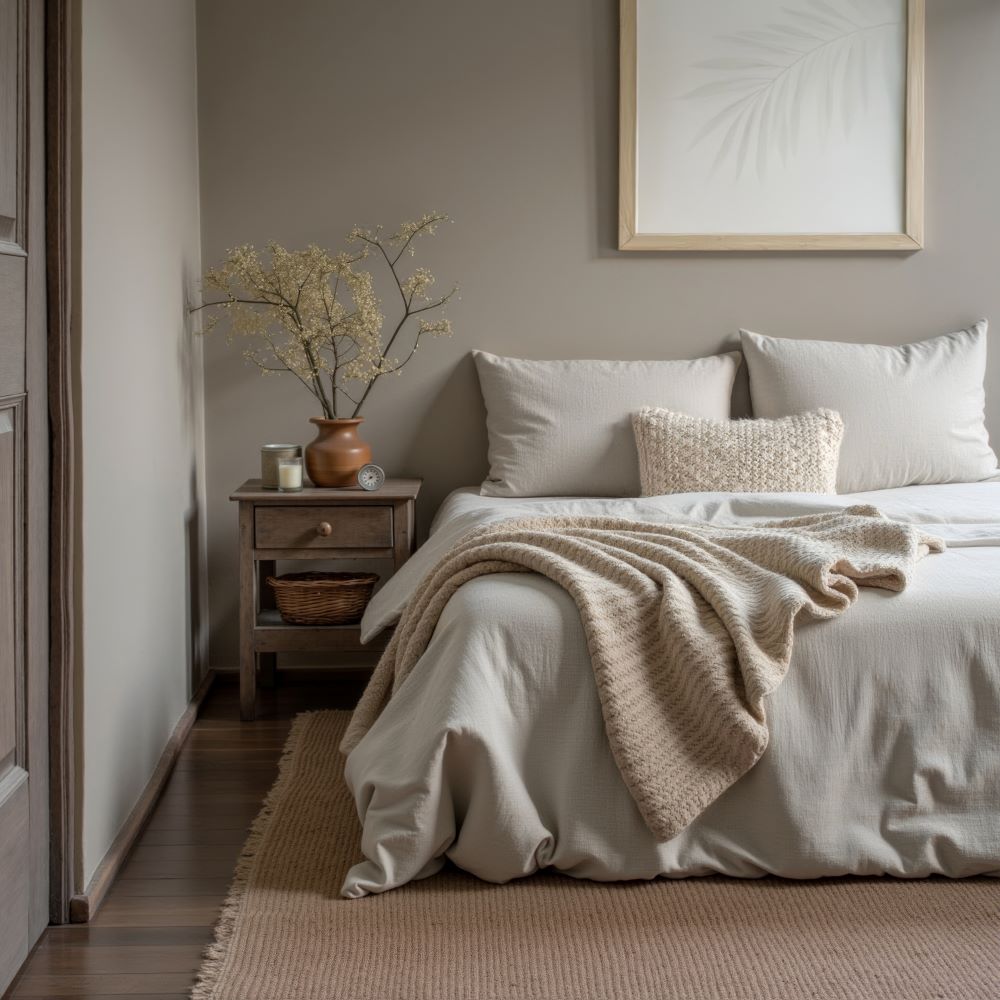


3. Cotton Sateen (One to Avoid in July)
Sateen has more threads exposed on the surface, which gives it a silky feel and a gentle sheen. It is a beautiful fabric. It is also warmer than percale because the denser weave reduces airflow.
Sateen is a spring and autumn fabric: the right call when the temperature is right, the wrong one in the middle of a heatwave. If you love sateen year-round, our 600 thread count sateen bedding set is exceptional quality. It will be waiting for you in September.


The mattress protector: the overlooked culprit
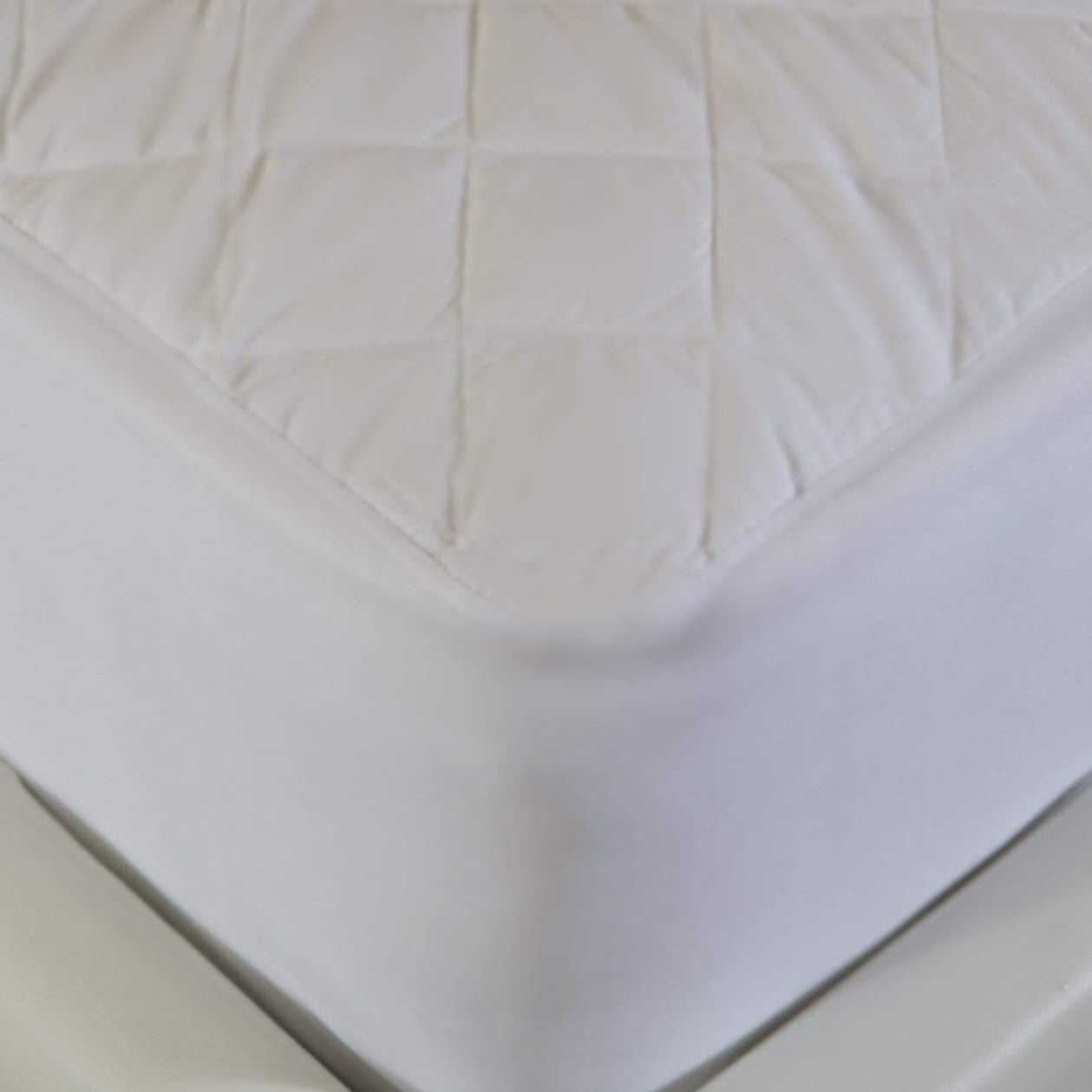
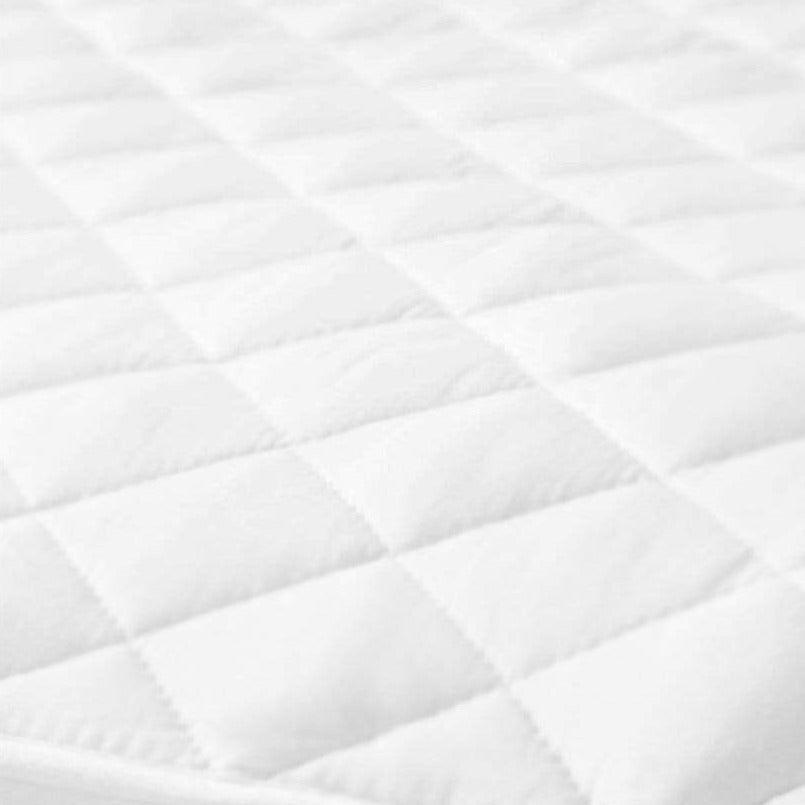
Mattress protectors are the thing people almost always forget to switch for summer. Plastic-backed or synthetic protectors trap heat at the mattress level and quietly undo much of the benefit from breathable sheets above them.
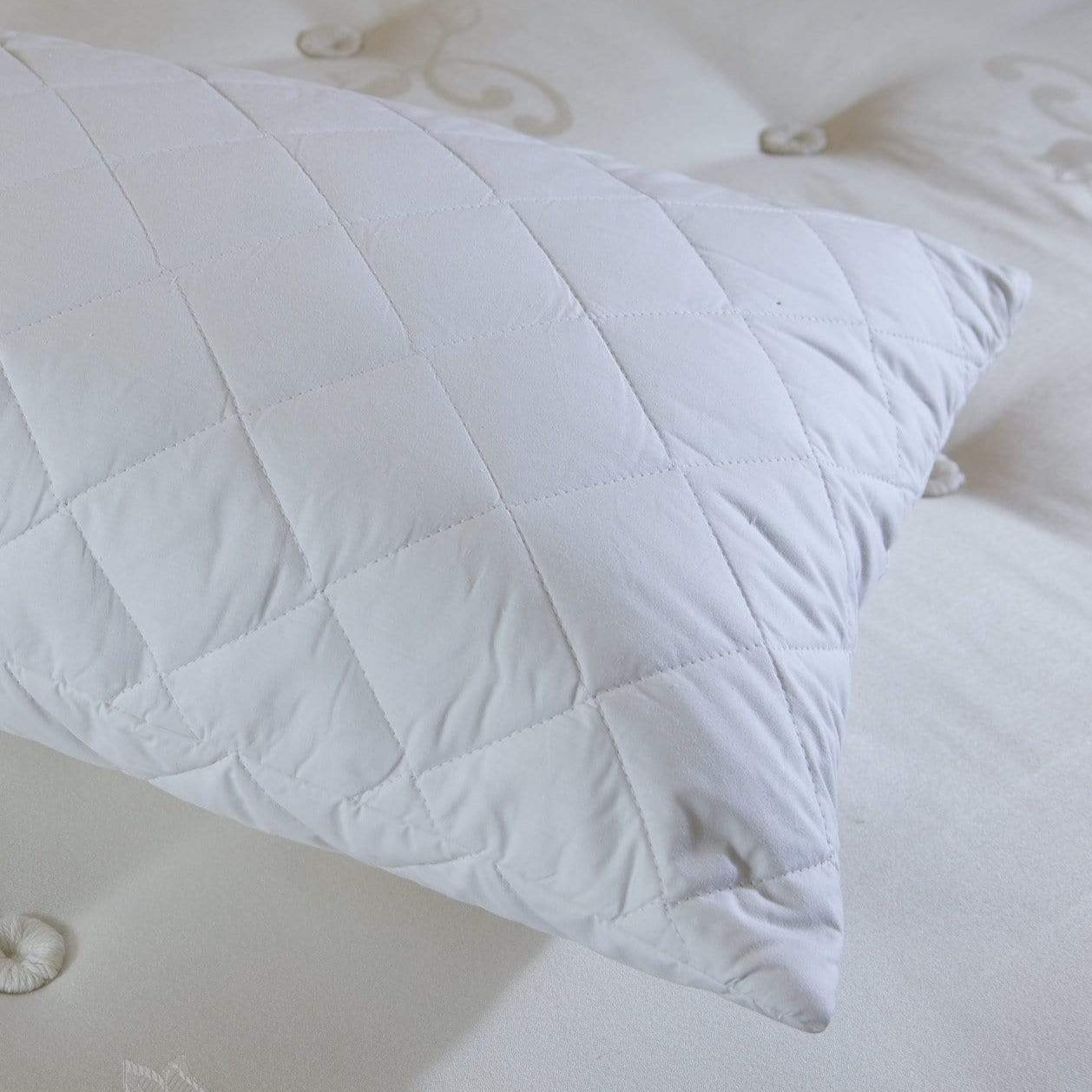
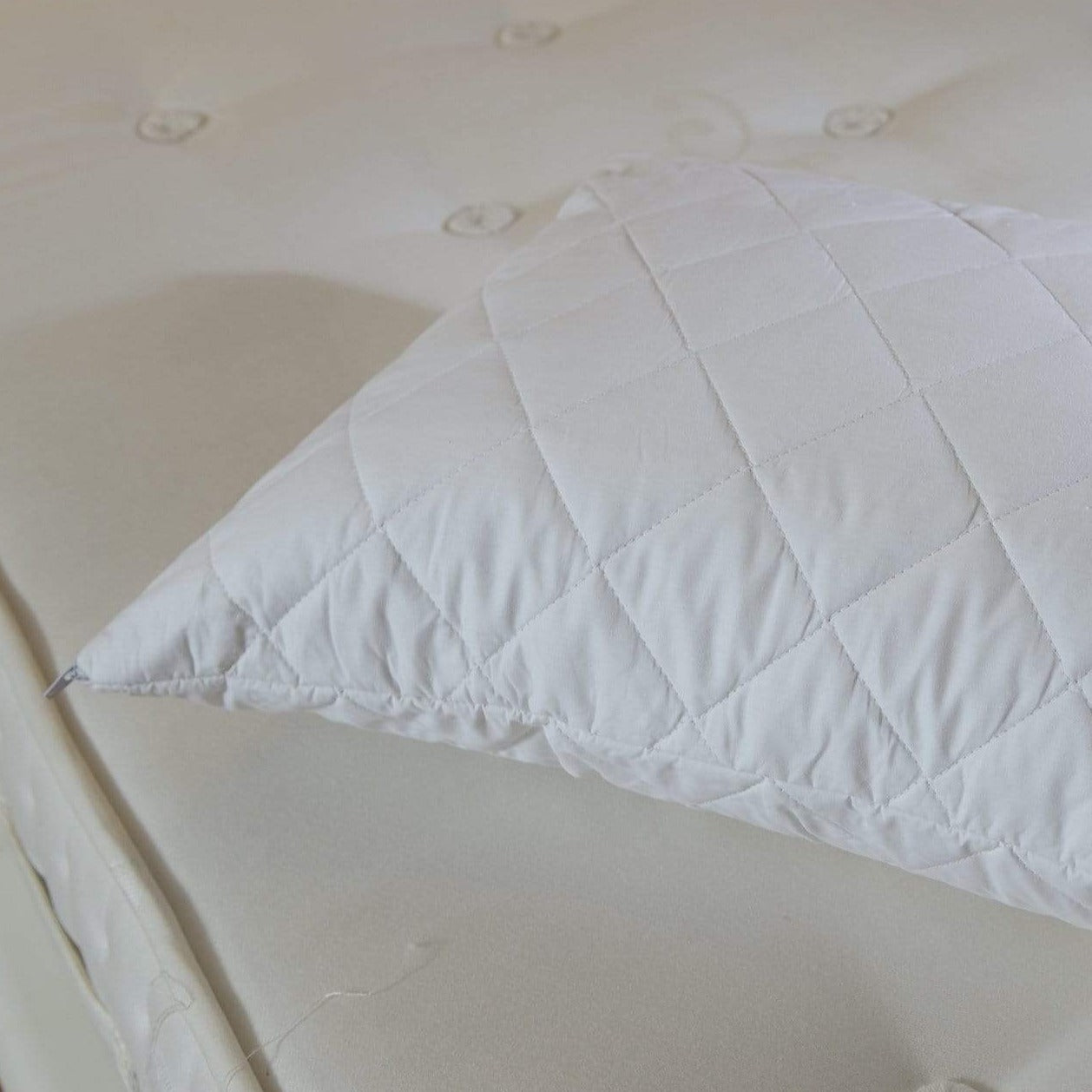
Our cotton mattress protector is 100% cotton on both the surface and the backing. No plastic. No synthetic fill. It breathes properly and washes easily, which is also why it is one of our bestsellers year-round. The cotton pillow protector works on the same principle and is particularly useful in summer when pillows absorb more moisture overnight.
A note for hot flush sufferers
For anyone navigating perimenopause or menopause, the challenge at night is not just ambient temperature. It is rapid swings in body heat that make standard insulating fabrics actively unhelpful.
Two materials handle this well. Linen, because it wicks moisture efficiently and cools quickly after absorbing heat. And silk, because it thermoregulates: it adjusts to your body temperature rather than simply retaining it. Our silk duvet and silk pillow are the options we make that work best for hot flush sleepers. The silk duvet is noticeably lighter than an equivalent-tog down duvet and does not hold heat the way other fills do.
Many of our customers who experience night sweats find the combination of a silk duvet at 4.5 tog with linen sheets or percale sheets to be the most effective summer setup. Each element does a different job: the silk manages temperature swings, the sheets handle moisture at the surface.
The complete summer bed: Summary
-
Duvet: 4.5 tog, or the lightweight component of an all-seasons duvet
-
Sheets: percale cotton or linen, both cooler than sateen
-
Mattress protector: 100% cotton


